
Top 5 Ways to Reduce our Fashion Environmental Impact
A few scary stats to begin:
Worldwide, ppl consume 80 billon new pieces of clothing every year
The fashion industry is responsible for
8-10% of global emissions (that’s more than the aviation + shipping industry combined!).The fashion industry is Earth’s 2nd-largest water consumer (agriculture is #1). It uses 93 billion cubic metres of water, enough to meet the consumption needs of five million people
5) Buy Less
The most sustainable clothes are the ones in your closet.
Of course we are going to buy clothes!
But what if we made smarter, more considered choices?
Big fast-fashion chains source cheap labour overseas from non-transparent sources, exploit workers (most garment workers are women) with low wages and unsafe conditions, rip off smaller designers, encourage excessive consumption and throw-away culture.
The more we buy from them, the more we contribute to the machine of consumerism - every purchase says please make more of this; I vote for this type of clothing; I want to live in the kind of world where this is acceptable.
So…what if we just bought LESS?

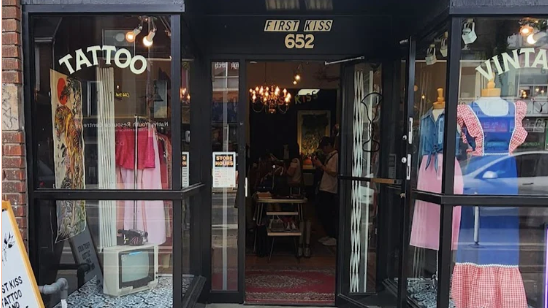
4) Shop Vintage & Secondhand
The global secondhand market will grow by 77.8% between 2023 and 2028 (according to this new report).
We love:
Clothing Swaps
FB Marketplace
3) Shop Canadian Designers at Local Stores
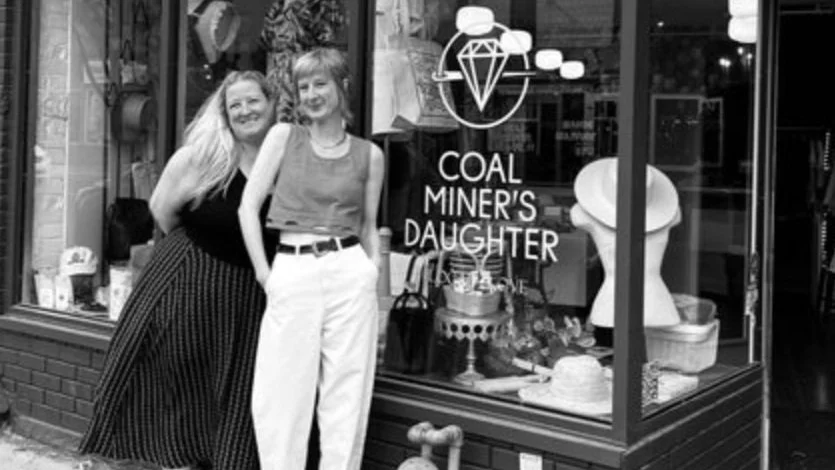
For every $100 spent at a local business, around $60-$70 stays in the community (compared to 14% at large chain stores).
We love:
2) Buy Natural Materials
Polyester = plastic
Acrylic = plastic
Spandex = plastic
Nylon = plastic
Vegan “leather” = plastic
Plastic is a petroleum product. It never biodegrades - just gets smaller and smaller until it can be absorbed into the bloodstream of animals and humans.
A 2017 study reported that about 35% of all microplastics in the ocean come from washing synthetic textiles.
Plant-sourced materials: cotton, flax / linen, bamboo, hemp.
Animal-sourced materials: wool, leather, fur, alpaca, cashmere, silk, angora, mohair, camel hair, vicuña.

1) Buy Quality
Wearing a garment for just 9 months longer reduces 20% of its footprint (according to a report by the BBC).
There are some smaller companies that produce high quality items (like Toronto brands Luxton, Philip Sparks, and Horses Atelier).
But generally speaking, the highest quality garments you’re going to find, were made pre-2000s (and the invention of fast fashion).
We love to invest in:
local designers who pour love into their garments and feel personally responsible for the clothes they make
vintage wool & cashmere sweaters (in vintage, the fibres tend to be longer, silkier and more tightly knit)
wool coats from 1980s and earlier (wool is higher quality, comes in unusual designs, and they have magical inter-linings that offer at least 3x the warmth)
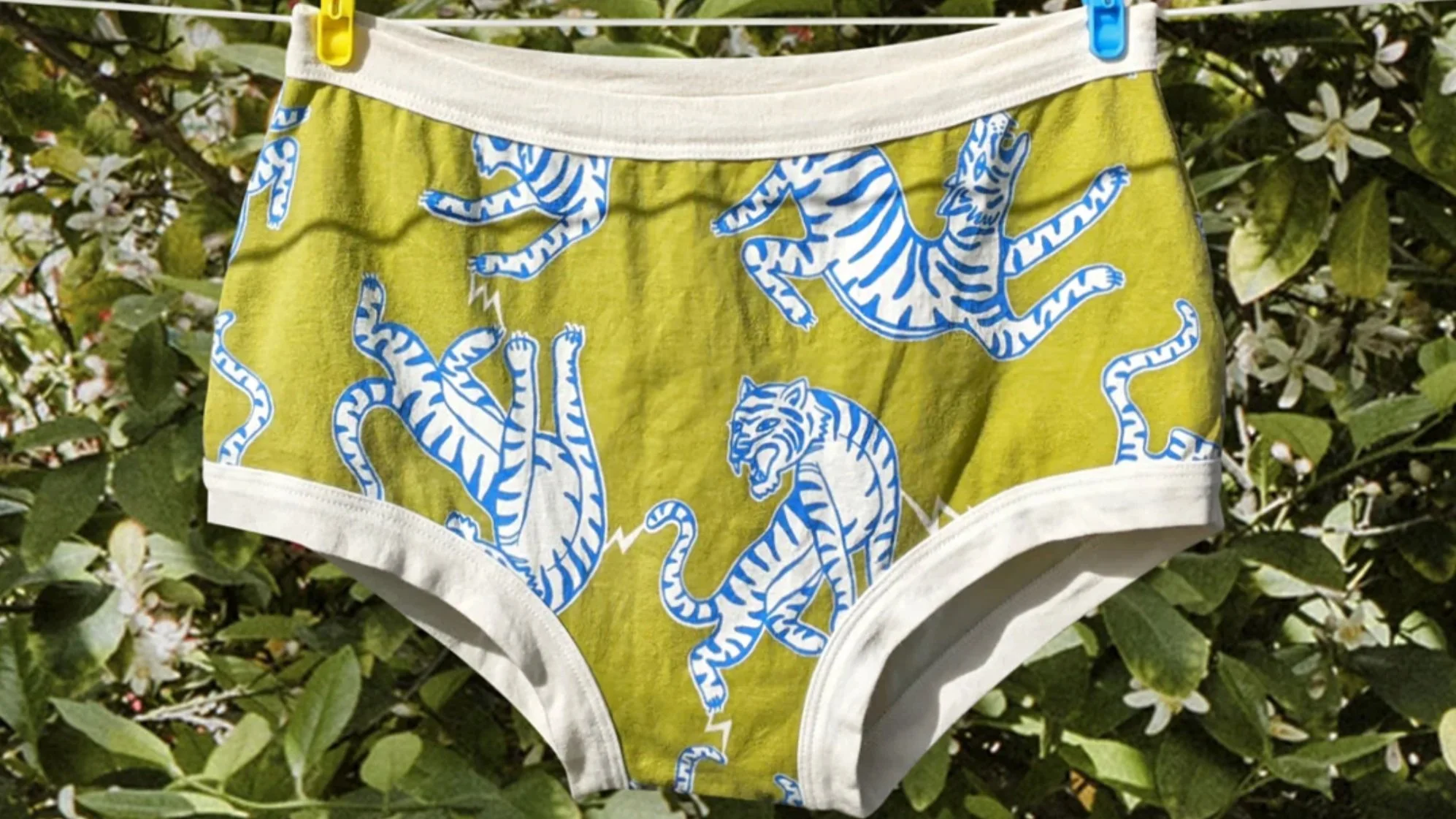
organic cotton underwear from Thunderpants; they are thick, soft, wedgie-proof, hella cute, ethically made, and female-owned + operated
making our own clothes from our awesome collection of super high-quality 100% cotton fabric
“Demand quality, not just in the products you buy, but in the life of the person who made it.”